
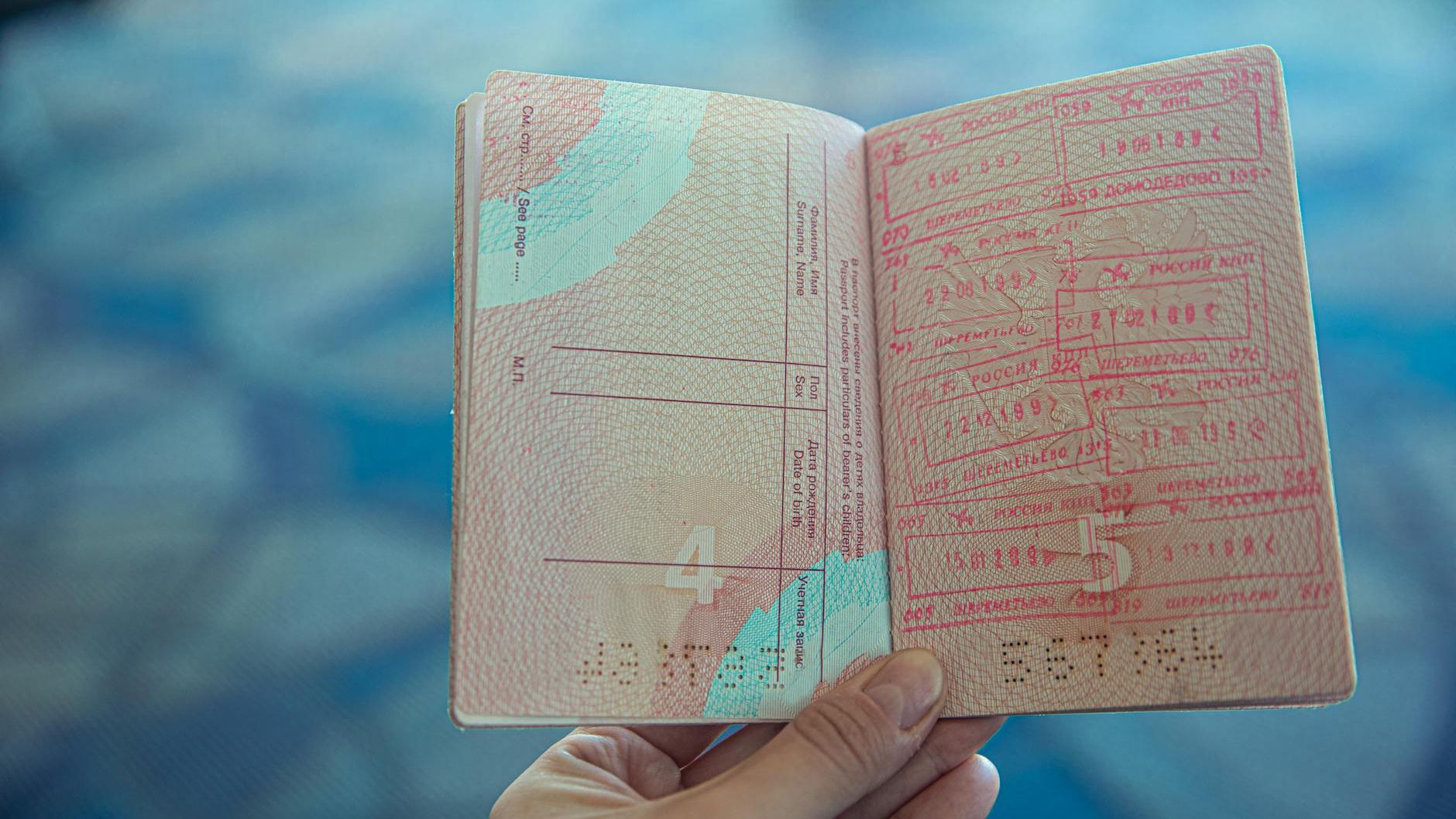
Thailand eVisa Requirements: The Complete 2025 Guide

Imagine landing at Suvarnabhumi Airport in Bangkok. The air is warm, the scent of street food is wafting through the terminal, and you are ready to start your adventure. But before you can taste that first plate of Pad Thai, you have to clear immigration.
In the past, this meant standing in long lines with crumpled paper forms. Today, the digital shift has changed everything. Understanding the current thailand evisa requirements is the difference between a smooth entry and a stressful delay at the border.
This guide will walk you through every detail of the application process. We will cover the documents you need, the mistakes to avoid, and the practical steps to ensure your visa is approved the first time.
Why the Digital System Matters
Thailand has moved aggressively toward a digital-first entry system. This is designed to reduce wait times and make the process more transparent for international visitors.
To ensure you have the most reliable information, it is best to consult official government sources. The Tourism Authority of Thailand (TAT) is the official government body responsible for promoting tourism and providing accurate entry guidelines to visitors. You can find their official guidance on Passport & Visa - Tourism Authority of Thailand which outlines the basic entry framework for all tourists.
Navigating these rules can feel overwhelming at first. However, once you understand the logic behind the requirements, the process becomes much more manageable.
Core Thailand eVisa Requirements Every Traveler Must Know
The first step in your journey is gathering your paperwork. The Thai consulate is strict about the quality and accuracy of your digital uploads. If a scan is blurry or a name is misspelled, your application will likely be rejected without a refund.
Safety and legal compliance are also top priorities for the Thai government. The U.S. Department of State serves as a critical resource for international travelers, offering detailed country profiles and official entry warnings. According to the Thailand International Travel Information - U.S. Department of State, travelers must ensure their passports are valid for at least six months beyond their date of entry.
Here are the fundamental thailand evisa requirements you must satisfy:
- A Valid Passport: Your passport must have at least two blank pages and be valid for six months from your arrival date.
- Digital Passport Photo: This must be a recent color photo taken within the last six months against a plain white background.
- Proof of Onward Travel: You must upload a confirmed flight ticket showing your departure from Thailand.
- Proof of Accommodation: A hotel booking or an invitation letter from a host in Thailand is required for your first few nights.
- Financial Sufficiency: You must prove you have enough funds to support your stay (typically 20,000 THB per person).
Deep Dive: Document Specifications
Let’s talk about that passport photo. This is where many travelers stumble. It cannot be a selfie. You should not be wearing glasses, hats, or large jewelry. The lighting must be even, with no shadows on your face.
When scanning your passport, ensure the entire bio-data page is visible. Do not crop out the machine-readable zone (the two lines of text at the bottom). If your fingers are visible in the photo of the passport, the system might flag it as invalid.
Financial proof is another area that requires attention. Usually, a recent bank statement from the last three months is sufficient. It needs to show your name and a balance that meets the minimum requirement. If you are traveling as a family, one person can often provide proof for the whole group, but check the specific consulate rules for your region.
The Different Types of Digital Visas
Not all eVisas are created equal. Depending on your nationality and the length of your stay, you might be applying for a standard Tourist Visa (TR) or an e-Visa on Arrival (eVOA).
The standard eVisa is applied for well in advance of your trip. It usually allows for a 60-day stay and can be extended at a local immigration office once you are in the country.
On the other hand, the e-Visa on Arrival is a faster process for shorter stays. For those who prefer a visual walkthrough, the travel community at ThaiVisa has shared a helpful video guide explaining the digital transition. You can watch the Video: Here’s how Thailand’s new e-Visa on Arrival works to see exactly how the airport kiosks and digital pre-approvals function.
Step-by-Step Application Process
Ready to apply? Follow these steps to keep things simple:
- Create an Account: Visit the official Thai E-Visa website and register an account. Use an email address you check frequently.
- Select the Right Visa Type: Choose ‘Tourist’ unless you have a specific reason for a different category.
- Fill in Personal Details: Ensure your name matches your passport exactly. Do not use nicknames.
- Upload Documents: This is the most time-consuming part. Make sure every file is under the size limit (usually 3MB) and in the correct format (JPG or PDF).
- Pay the Fee: You can usually pay via credit or debit card. Note that this fee is non-refundable.
- Wait for Approval: Processing times vary. It can take anywhere from 3 to 10 business days.
Common Pitfalls to Avoid
I have seen many travelers get their plans derailed by simple mistakes. One common error is booking a flight that leaves Thailand more than 60 days after arrival when applying for a 60-day visa. The system may see this as an intent to overstay.
Another mistake is the “Declaration Form.” During the online process, you will be asked to sign a declaration. You must print this, sign it by hand, and then upload a scan of the signed version. A digital signature is often not accepted.
Also, keep an eye on your spam folder. The Thai consulate may email you requesting additional documents. If you don’t respond within 24 to 48 hours, they may cancel your application, and you will lose your fee.
Financial Proof and the “Cash Rule”
There is a long-standing rule in Thailand that tourists must carry 20,000 THB in cash (or equivalent currency). While immigration officers rarely ask to see this cash if you have a valid eVisa, they are legally allowed to do so.
Having your bank statements uploaded to the eVisa portal is your first line of defense. However, I always recommend having a printed copy of your statement and some physical cash on hand just in case you encounter a strict officer. It is better to be over-prepared than to be denied entry at the gate.
Comparing eVisa vs. Visa Exemption
Many travelers wonder if they even need to worry about thailand evisa requirements. This depends entirely on your passport. Many Western countries fall under the “Visa Exemption” scheme, allowing stays of 30 or 60 days without a prior visa.
However, if you plan to stay longer or if you want the peace of mind that comes with pre-approval, the eVisa is the way to go. Furthermore, requirements change frequently. What was true six months ago might not be true today. Always verify your specific nationality’s status before booking non-refundable hotels.
Practical Tips for a Smooth Entry
- Print Everything: Even though it is an “electronic” visa, carry printed copies of your approval and your accommodation details.
- Check the URL: Only use the official
.go.thwebsite. Many third-party agencies charge triple the price for the same service. - Apply Early: Don’t wait until the week before your flight. Aim for at least three weeks out to account for any document requests.
- Use a Desktop: The mobile version of the eVisa portal can be glitchy. Use a laptop or desktop computer for the best experience.
Frequently Asked Questions
How long does it take to get a Thai eVisa?
Typically, the processing time is between 5 and 10 business days. However, during peak holiday seasons like Christmas or Songkran (April), it can take longer. It is wise to apply at least 15 days before your intended departure to avoid any last-minute stress.
Can I extend my eVisa while I am in Thailand?
Yes, most tourist eVisas can be extended for an additional 30 days at a local immigration office. You will need to pay a fee of 1,900 THB and provide a fresh passport photo. This is a common practice for travelers who fall in love with the islands and want to stay a bit longer.
What happens if my eVisa application is rejected?
If your application is rejected, the consulate will usually provide a reason, such as an unclear photo or insufficient funds. You can apply again, but you will have to pay the application fee a second time. There is no formal appeal process, so double-checking your documents before the first submission is critical.
Do children need their own eVisa?
Yes, every traveler, regardless of age, must have their own visa and valid passport. For minors, you may need to upload additional documents, such as a birth certificate or a letter of consent from parents if they are not traveling with both legal guardians.
Final Thoughts for Your Journey
Securing your visa is the final hurdle before your Thai adventure begins. While the thailand evisa requirements might seem tedious, they are there to ensure a safe and organized travel environment for everyone.
Take your time with the application. Double-check every scan. Ensure your flight and hotel dates align perfectly with your visa type. Once that “Approved” email hits your inbox, you can breathe a sigh of relief.
Thailand is a country of incredible beauty, from the mountains of Chiang Mai to the turquoise waters of Koh Phi Phi. By handling your paperwork correctly now, you are clearing the path for an unforgettable experience. Safe travels, and enjoy every moment in the Land of Smiles!