
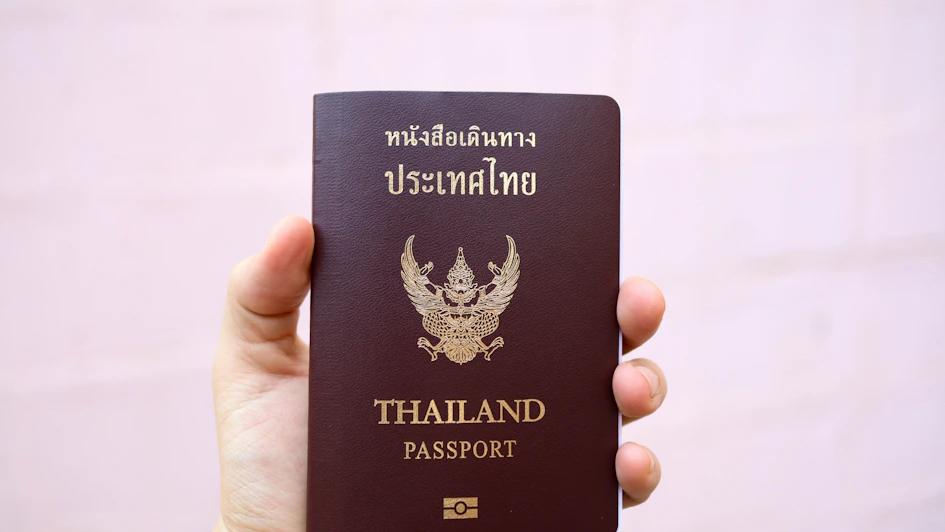
Thailand Visa on Arrival Requirements: Your Essential Guide

Dreaming of turquoise waters, bustling markets, and mouth-watering street food in Thailand? You might be planning a spontaneous adventure or a trip where you didn’t pre-arrange a visa. For many nationalities, the Thailand visa on arrival requirements are your gateway to this incredible Southeast Asian gem. Understanding these requirements is key to a smooth entry, avoiding any last-minute travel hiccups.
This guide is crafted to demystify the process, ensuring you have all the essential information at your fingertips. We’ll cover who’s eligible, what documents you absolutely need, the fees involved, and practical tips to make your arrival seamless. Let’s dive in and get you ready for your Thai adventure!
Who Can Get a Visa on Arrival for Thailand?
The Visa on Arrival (VOA) is a fantastic option for citizens of numerous countries looking for short-term stays, primarily for tourism. It’s designed for convenience, allowing you to secure your entry permit upon landing at designated international airports in Thailand.
It’s crucial to verify your specific nationality’s eligibility, as this can change. Generally, citizens from many European, North American, and Asian countries can utilize this facility for tourism purposes. The Thai government periodically updates these lists, so always check the latest information. For instance, information regarding Thailand’s visa rules for border entry is frequently updated, so staying informed is key.
Essential Documents for Thailand Visa on Arrival

This is where preparation truly pays off. Gathering the correct documents before you arrive at the immigration counter significantly speeds up the process. Missing even one item can lead to delays or, in the worst case, denial of entry. Here’s a breakdown of what you’ll typically need:
Passport Validity
Your passport is your most important travel document. For a Visa on Arrival, it must be valid for at least six months from your date of entry into Thailand. Ensure there are enough blank pages for the visa stamp and any other immigration stamps.
Completed Visa Application Form
This form will be provided to you either on the plane or at the immigration counter. Fill it out completely and legibly. Double-check all details to avoid errors. It usually asks for personal information, travel details, and accommodation.
Recent Passport-Sized Photograph
Have a recent, clear photograph ready. It typically needs to be 4x6 cm in size and taken within the last six months. Ensure your face is clearly visible, with a neutral expression and no headwear (unless for religious reasons).
Proof of Onward or Return Ticket
This is a critical requirement. Immigration officers need to see evidence that you intend to leave Thailand within the permitted visa-free period or your visa’s validity. This could be a flight ticket to your home country or to another country outside of Thailand.
Proof of Accommodation
While not always strictly enforced for every VOA applicant, it’s wise to have evidence of your planned stay. This could be a hotel booking confirmation or a letter of invitation if staying with friends or family.
Sufficient Funds
Thailand requires visitors to prove they have adequate finances for their stay. This is to ensure you won’t become a burden on the country. The amount can vary, but generally, you should be prepared to show:
- At least 10,000 Thai Baht (THB) per person for short visits.
- At least 20,000 Thai Baht (THB) per family if traveling as a group.
This can be shown in cash or through bank statements. Some sources suggest carrying the equivalent in a major foreign currency is also acceptable.
Visa Fee
There is a fee for the Visa on Arrival. This fee is subject to change and is usually payable in Thai Baht. It’s always a good idea to have the exact amount or close to it in cash to avoid any issues. The fee is non-refundable.
TDAC - Thailand Digital Arrival Card
In recent times, Thailand has introduced the TDAC (Thailand Digital Arrival Card). This is an online immigration form that replaces the traditional paper TM. Arrival Card. Completing this before your flight can save significant time at immigration. The ThaiEmbassy.com website offers a step-by-step guide on how to fill out the TDAC, which can be incredibly helpful.
According to ThaiEmbassy.com, filling out the TDAC in advance streamlines the arrival process, allowing you to bypass the physical card queue.
The Visa on Arrival Process at the Airport

Once you land at a major international airport like Suvarnabhumi (BKK) in Bangkok or Phuket International Airport (HKT), follow the signs for ‘Visa on Arrival’ or ‘Immigration’.
- Locate the VOA Counter: It’s usually clearly marked. You’ll see a queue forming here.
- Submit Your Documents: Present your passport, completed application form, photo, onward ticket, and proof of funds to the immigration officer.
- Pay the Fee: If your application is approved, you’ll be directed to pay the visa fee.
- Receive Your Stamp: Once the fee is paid, your visa will be stamped into your passport, allowing you a specific period of stay (typically 15 or 30 days, depending on your nationality and current regulations).
- Proceed to Immigration: With your visa stamped, you can then proceed to the main immigration counter for entry.
It’s worth noting that while the process is designed to be efficient, wait times can vary significantly depending on the time of day and the number of arriving flights. Traveling during off-peak hours can sometimes lead to shorter queues.
Duration of Stay and Extensions
The standard stay granted under the Visa on Arrival is typically 15 days or 30 days, depending on your nationality. This is for tourism purposes only and does not permit you to work in Thailand.
If you wish to stay longer, you generally need to apply for an extension before your VOA expires. This is usually done at an Immigration Office within Thailand. You’ll need to meet specific criteria and provide supporting documents, and there will be an additional fee for the extension.
Common Mistakes to Avoid with Visa on Arrival
Even with careful planning, some common pitfalls can trip travelers up. Being aware of these can save you stress:
- Insufficient Funds: Not having enough cash or bank balance can lead to denial. Always err on the side of having more than the minimum required.
- Expired Passport: A passport with less than six months validity is an automatic disqualifier.
- Missing Onward Ticket: This is a frequent reason for VOA rejection. Don’t assume they won’t ask for it.
- Incorrect Photo: Using an old photo or one that doesn’t meet the specifications can cause delays.
- Forgetting the Visa Fee: Ensure you have Thai Baht readily available for the fee.
- Not Completing the TDAC: While VOA is available, not completing the digital arrival card beforehand adds unnecessary steps.
Alternatives to Visa on Arrival
While the VOA is convenient, it’s not the only option. Depending on your nationality and the length of your intended stay, you might consider applying for a tourist visa in advance from a Thai embassy or consulate in your home country. This can sometimes offer a longer period of stay and might feel more secure for longer trips.
The ThaiEmbassy.com website provides comprehensive information on various types of Thailand tourist visas, which can be a valuable resource if the VOA doesn’t meet your needs or if you’re from a country not eligible for VOA. They explain the nuances of tourist visas, including requirements and application procedures.
Navigating Thailand’s Border Entry Rules
It’s important to understand that while Visa on Arrival is for international airport arrivals, Thailand also has specific rules for entry via land borders. These can differ significantly from airport VOA rules, often involving different visa types or shorter permitted stays. Staying updated on these new visa rules for border entry to Thailand is essential if you plan to travel overland.
ThaiEmbassy.com regularly publishes updates on visa regulations, including changes affecting land border crossings. This ensures travelers have the most current information.
Practical Tips for a Smooth Arrival
- Arrive Prepared: Have all documents organized and easily accessible. Don’t pack them deep inside your luggage.
- Fill Out Forms Accurately: Legibility is key. Use a black or blue pen.
- Carry Sufficient Cash: Have Thai Baht for the visa fee and be ready to show funds.
- Complete TDAC Online: Save time by filling out the Thailand Digital Arrival Card before your flight.
- Be Polite and Patient: Immigration officers are doing their job. A friendly demeanor goes a long way.
- Know Your Visa Type: Understand the limitations of your VOA (e.g., no work allowed).
Frequently Asked Questions About Thailand Visa on Arrival
What is the current fee for a Thailand Visa on Arrival?
The fee for a Visa on Arrival can change. It is typically around 2,000 Thai Baht for many nationalities, but it’s best to confirm the exact amount with official sources or upon arrival, as government policies can be updated. Always be prepared to pay in Thai Baht.
How long is the visa on arrival valid for?
The standard validity period for a Visa on Arrival is usually 15 days for some nationalities and 30 days for others. This duration is granted upon entry and is intended for tourism. Extensions are possible but require a separate application at an immigration office.
Can I get a visa on arrival if I am entering Thailand by land?
Generally, the Visa on Arrival facility is primarily for entry through international airports. Land border crossings often have different entry requirements and visa policies, which may not include the standard VOA. It’s crucial to check the specific regulations for land border crossings before your trip.
What if my country is not on the list for Visa on Arrival?
If your nationality is not eligible for the Visa on Arrival, you will need to apply for a suitable Thai visa (such as a tourist visa) at a Royal Thai Embassy or Consulate in your home country or country of residence before you travel to Thailand. Planning ahead is essential in this case.
Do I need to show a return ticket for Visa on Arrival?
Yes, proof of an onward or return ticket is a mandatory requirement for obtaining a Visa on Arrival in Thailand. This confirms your intention to leave the country within the permitted timeframe and is checked by immigration officials.
Embarking on a journey to Thailand is an exciting prospect, and understanding the Thailand visa on arrival requirements is a vital step towards making that dream a reality. By preparing your documents, being aware of the process, and following these practical tips, you can navigate your arrival with confidence. The Land of Smiles welcomes you, and a little preparation ensures your first impression is a smooth and positive one. Enjoy your incredible adventure!
For further details and to stay updated on all visa-related matters for Thailand, exploring resources like ThaiEmbassy.com is highly recommended. They offer a wealth of information on visas, immigration, and travel advice.