
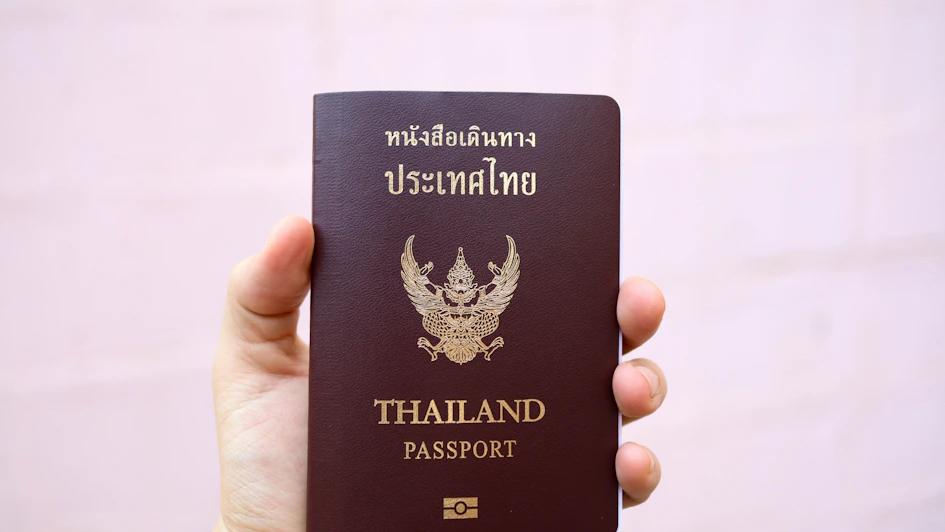
Thailand Visa Requirements for US Citizens: 2024-2025 Guide

You step off the plane in Bangkok, and the humidity hits you like a warm hug.
The air smells of lemongrass, street food, and endless possibilities.
But before you can grab your first bowl of spicy tom yum, you need to clear immigration smoothly.
Understanding the current thailand visa requirements for us citizens is the difference between a dream vacation and a stressful U-turn at the airport gate.
In this guide, we will break down every entry option, from the simple 60-day exemption to the new digital nomad visas.
The 60-Day Visa Exemption: Your Golden Ticket
For most American travelers, the process of entering Thailand has never been easier.
As of late 2024, US citizens are eligible for a 60-day visa-free entry for tourism and short-term business.
This is a massive upgrade from the previous 30-day limit that existed for years.
The U.S. Department of State provides critical safety updates and entry requirements for Americans traveling abroad.
According to the Thailand International Travel Information page, travelers should ensure their passports are valid for at least six months beyond their date of arrival.
Failure to meet this six-month validity rule is the number one reason airlines deny boarding to Americans.
Always check your expiration date at least three months before your departure.
Maintaining contact with local diplomatic missions is also essential for long-term travelers or those facing emergencies.
The U.S. Mission to Thailand offers various support systems, which you can explore through the U.S. Citizens Services - Thailand portal for help with notarials or emergency passports.
Essential Documents for Entry
Even though you don’t need a physical visa sticker for short trips, you still need to prove you are a legitimate visitor.
Thai immigration officers have the right to ask for specific documents upon arrival.
First, you should have proof of an onward flight out of Thailand within your 60-day window.
While they don’t always ask for it, if they do and you don’t have it, you might be denied entry.
Second, you may be asked to show proof of sufficient funds for your stay.
For those looking to dive deeper into the official tourist regulations, the Tourism Authority of Thailand (TAT) is the primary resource for visitor policy.
You can find the latest updates on entry schemes in the Passport & Visa section of their official guide.
Generally, the requirement is 20,000 Thai Baht (roughly $600 USD) per person or 40,000 Baht per family.
Cash is king here; showing a bank statement on your phone may not always satisfy a strict officer.
The New Destination Thailand Visa (DTV)
If 60 days isn’t enough, Thailand recently introduced the Destination Thailand Visa (DTV).
This is specifically designed for digital nomads, remote workers, and freelancers.
It allows you to stay in Thailand for up to 180 days per entry and is valid for five years.
To qualify, you must show proof of a remote job or a portfolio of work for foreign clients.
You also need to demonstrate savings of at least 500,000 Thai Baht (about $15,000 USD).
This visa is a game-changer for Americans who want to live the “laptop on the beach” lifestyle legally.
It avoids the legal gray area that many remote workers used to navigate with multiple tourist entries.
Understanding the E-Visa System
If you know you want to stay longer than 60 days and don’t qualify for the DTV, you should apply for a Tourist Visa (TR).
This is done through the official Thai E-Visa portal before you leave the United States.
The process is entirely digital, meaning you no longer have to mail your passport to an embassy.
You will upload your flight itinerary, bank statements, and a photo of your passport bio page.
Once approved, you receive an email with your visa, which you print and bring with you.
This visa typically grants a 60-day stay, which can then be extended for another 30 days at a local immigration office.
Retirement Visa Options for US Citizens
Thailand remains one of the top retirement destinations for Americans due to the low cost of living.
There are two main retirement visa paths: the Non-Immigrant O and the Non-Immigrant O-A.
The O-A visa is applied for in the US and requires a comprehensive medical exam and criminal background check.
The standard ‘O’ visa is often easier to obtain if you are already inside Thailand on a different entry.
Both require you to be at least 50 years old and meet specific financial thresholds.
You must either have 800,000 Baht in a Thai bank account or a monthly pension of 65,000 Baht.
Many Americans choose to use a combination of both to meet the financial requirements.
Working and Business Visas
If your goal extends beyond tourism to professional endeavors, you must comply with strict labor laws.
The American Embassy highlights these requirements in their guide on Working in Thailand, which outlines the necessity of a Work Permit alongside a valid visa.
You cannot legally work on a standard tourist visa or a visa-exempt entry.
Even “volunteering” often requires a specific non-immigrant visa and a work permit.
If a company in Thailand hires you, they will provide the paperwork for a Non-Immigrant B visa.
This process is rigorous and requires many documents from the hiring company.
Common Mistakes to Avoid
One of the biggest mistakes travelers make is overstaying their visa.
Thailand takes overstaying very seriously, charging a fine of 500 Baht per day.
If you overstay by more than 90 days, you face a multi-year ban from re-entering the country.
Another mistake is assuming you can just “do a visa run” indefinitely.
While you can leave and re-enter, immigration officers may flag you if they see too many back-to-back entries.
They may suspect you are living or working in the country illegally.
Always have a clear plan and the correct visa for your actual intent of stay.
Navigating Local Immigration Offices
If you need to extend your stay, you will visit a Thai Immigration office, such as the one at Chaeng Watthana in Bangkok.
These offices can be busy, so arriving early is a must.
You will need passport photos, photocopies of your passport pages, and the 1,900 Baht fee.
Dress respectfully when visiting government offices; shoulders and knees should be covered.
Being polite and patient with the officers goes a long way in Thailand.
They appreciate it when travelers follow the rules and have their paperwork organized.
Health Insurance and Safety
While not strictly required for the 60-day exemption, travel insurance is highly recommended.
Medical costs in private Thai hospitals are much lower than in the US, but they still add up.
Some long-stay visas, like the O-A retirement visa, actually mandate specific insurance coverage amounts.
Make sure your policy covers medical evacuation, as remote islands may lack advanced facilities.
Keep a digital copy of your insurance card and your passport on your phone at all times.
Key Takeaways for a Smooth Trip
- Check your passport: It must be valid for 6 months and have at least two blank pages.
- Print everything: Thai officials love physical paper copies of flights and hotel bookings.
- Carry cash: Have some Thai Baht or USD ready for the proof of funds check.
- Respect the culture: Your behavior at immigration sets the tone for your entire visit.
- Stay updated: Visa rules in Thailand change frequently, so check official sources often.
Frequently Asked Questions
Can I work remotely on a tourist visa?
Technically, any form of work requires a work permit. However, the new DTV visa was created specifically to give remote workers a legal way to stay. For standard tourists, checking emails or taking a quick call is generally ignored, but running a business while on a tourist stamp is a risk.
How many times can I enter Thailand in a year?
There is no hard limit for air entries, but land border entries are limited to two per calendar year. If immigration suspects you are living in Thailand on tourist entries, they may question you or deny entry after the third or fourth consecutive visit.
Do I need a visa for a 3-day layover?
No, as a US citizen, you can enter under the visa exemption scheme for a layover. You will get a 60-day stamp even if you are only staying for a few hours. Just ensure you have your onward boarding pass ready to show the officer.
What happens if I lose my passport in Thailand?
You should immediately report the loss to the local Thai police. Then, contact the U.S. Embassy in Bangkok or the Consulate in Chiang Mai to apply for an emergency passport. You will also need to visit Thai immigration to have your entry stamp moved to the new passport.
Is the Thai Pass still required?
No, the Thai Pass system was abolished in 2022. There are currently no COVID-19 vaccination or testing requirements for entry into Thailand. You can enter just as you did before the pandemic, provided you meet the standard visa requirements.
Final Thoughts
Thailand is a welcoming country that rewards those who take the time to understand its rules.
By ensuring your passport is ready and choosing the right entry method, you set yourself up for success.
Whether you are staying for a week of island hopping or a year of remote work, the process is manageable.
Pack your bags, double-check your documents, and get ready for an incredible adventure.
The Land of Smiles is waiting for you.