
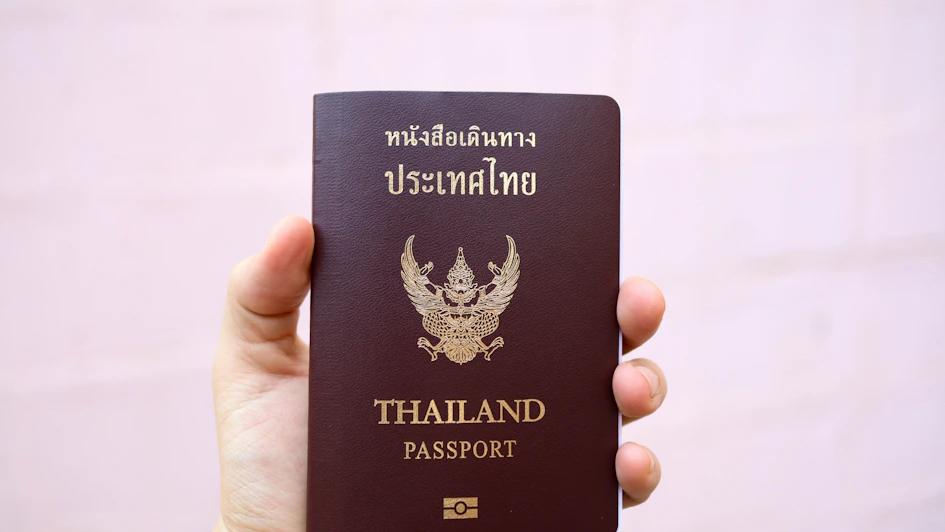
Thailand Long Stay Visa Requirements: Your Complete Guide

Imagine waking up to the gentle sounds of Bangkok or the tranquil beaches of Phuket, not for a fleeting holiday, but for months, even years. Many people dream of this extended escape to the Land of Smiles. But turning that dream into reality hinges on understanding the Thailand long stay visa requirements.
Navigating visa processes can feel daunting, especially when planning an extended stay. This guide is your friendly roadmap, cutting through the complexity to show you exactly what you need to know to live your Thai dream longer. We’ll cover the most common long-stay options, eligibility criteria, and essential steps, ensuring you’re well-prepared.
Understanding Thailand’s Long-Term Visa Landscape
Thailand offers various visa categories for those wishing to stay beyond the typical tourist allowance. These are generally designed to attract specific groups, including retirees, investors, skilled professionals, and families. The government has been actively refining these regulations to encourage longer stays and investment.
Recently, Thailand has introduced new visa regulations aimed at attracting more foreigners, including those seeking extended stays. These changes often involve easing rules for certain professionals and wealthy individuals, signaling a move towards a more welcoming environment for long-term residents. Understanding these evolving policies is key.
Who Qualifies for a Long Stay Visa?
Eligibility for a long-stay visa in Thailand isn’t one-size-fits-all. It depends heavily on your purpose for staying and your personal circumstances. Common categories include:
- Retirement Visas: For individuals aged 50 and above who meet specific financial requirements.
- Education Visas: For those planning to study at a Thai educational institution.
- Business Visas: For individuals intending to work or invest in a Thai business.
- Family Visas: For spouses or children of Thai citizens or long-term visa holders.
- Special Long-Term Resident (LTR) Visas: A newer category targeting wealthy individuals, wealthy pensioners, remote workers, and highly-skilled professionals.
The Thai government is continuously updating its visa promotions and regulations. For instance, recent announcements have included measures like reduced retiree insurance, making it more accessible for seniors to meet visa conditions. It’s always wise to check for the latest updates before applying.
Key Thailand Long Stay Visa Requirements: A Closer Look

While specific requirements vary by visa type, several common threads run through most long-stay applications. These generally revolve around financial proof, health, and your intended activity in Thailand.
Financial Requirements: Proving Your Worth
This is often the most significant hurdle for many applicants. You’ll need to demonstrate you have sufficient funds to support yourself during your stay without becoming a burden on the Thai economy.
- Retirement Visas (Non-Immigrant O-A/O-X): Typically require applicants to show proof of a monthly income of at least 50,000 Thai Baht (THB) or a bank deposit of at least 800,000 THB. For the O-X visa, the financial requirements might be higher, often around 1.8 million THB in a Thai bank account or an equivalent income. These figures can change, so verifying the current amounts is crucial.
- Other Visas: Requirements differ. For instance, the Special Long-Term Resident (LTR) visa has substantial financial thresholds, sometimes requiring an investment of millions of THB or a very high annual income.
It’s important to note that the source of these funds must be legitimate and verifiable. Banks in Thailand are often a preferred method for demonstrating financial stability for long-term stays.
Health Insurance: A Must-Have
Most long-stay visa applications, especially for retirees, mandate that you have adequate health insurance. This covers you in case of medical emergencies and ensures you won’t rely solely on public healthcare services.
The specifics of the insurance policy, including coverage amounts and whether it needs to be from a Thai provider, will be detailed in the visa requirements. Recent changes have seen reductions in retiree insurance costs, making it more affordable. Always check the latest guidelines for the exact coverage needed.
Police Clearance Certificate: Ensuring a Clean Record
Many long-stay visas require a certificate of criminal record clearance from your home country. This demonstrates that you are not a person with a criminal history that could pose a risk.
This process can take time, so it’s advisable to start this application well in advance of your visa application. The requirements for this certificate are standardized to ensure safety and security.
Other Supporting Documents
Beyond the core requirements, you’ll likely need:
- Passport with sufficient validity (often 6-12 months beyond your intended stay).
- Completed visa application forms.
- Passport-sized photographs.
- Proof of accommodation in Thailand.
- A letter of intent or explanation for your long stay.
- Marriage or birth certificates (if applying for family visas).
Each visa category will have its own specific checklist, so meticulous preparation is vital.
Popular Long Stay Visa Options in Detail
Let’s dive deeper into some of the most sought-after long-stay visa routes.
The Retirement Visa (Non-Immigrant O-A and O-X)
This is perhaps the most common pathway for those seeking to enjoy Thailand’s lifestyle in their golden years. The core idea is to attract financially stable retirees.
- Non-Immigrant O-A Visa: This is a standard retirement visa, typically issued for one year and renewable. It requires you to be 50 years or older and meet financial criteria (800,000 THB in a Thai bank account or 65,000 THB monthly income).
- Non-Immigrant O-X Visa: This is a newer, longer-term version, often granting a 10-year renewable visa. It has higher financial requirements, typically around 1.8 million THB in a Thai bank account held for at least one year, or an annual income of 100,000 USD (approx. 3.5 million THB). This visa also mandates specific health insurance coverage.
Data from sources like the Bangkok Post highlights how these visa promotions, including reduced insurance costs, aim to make Thailand a more attractive retirement destination. It’s a clear signal of the government’s intention to welcome seniors.
The Elite Visa (Thailand Privilege Card)
For those with significant financial resources, the Thailand Elite Visa offers a long-term residency option with added perks. This is a government-backed program providing a renewable 5, 20, or even 30-year visa.
Membership tiers vary based on investment or fee. Benefits can include expedited immigration processing, airport lounges, and other lifestyle services. It’s a premium option for those seeking convenience and long-term security.
Education and Volunteer Visas
If your goal is to immerse yourself in Thai culture through learning or contributing, education and volunteer visas are viable options. These allow you to stay for the duration of your course or program.
- Education Visa (ED Visa): For studying Thai language, martial arts, or attending university. Requires enrollment in an accredited institution.
- Volunteer Visa: For individuals participating in approved volunteer programs.
These visas usually require sponsorship from the educational institution or organization and proof of sufficient funds for living expenses.
Smart Visa
Introduced to attract highly skilled professionals, investors, and entrepreneurs, the Smart Visa offers a longer stay (up to four years) with fewer restrictions on work. It’s targeted at specific industries deemed important for Thailand’s economic development.
Applicants typically need to demonstrate expertise or investment in these targeted sectors. It’s a pathway designed to boost innovation and high-value industries within the country.
The Application Process: Step-by-Step
While the exact steps can vary, here’s a general outline of how to apply for a Thailand long stay visa:
- Determine the Right Visa: Identify which long-stay visa best suits your purpose and eligibility. Research the specific requirements for that category.
- Gather Required Documents: Collect all necessary paperwork, including your passport, financial statements, police clearance, health insurance, and any other supporting documents. This is often the most time-consuming step.
- Apply at the Thai Embassy/Consulate: Most long-stay visas must be applied for at a Royal Thai Embassy or Consulate in your home country or country of legal residence. Some extensions or conversions might be possible within Thailand, but initial applications are usually abroad.
- Attend an Interview (if required): Some visa applications may require an interview with a consular officer.
- Visa Approval and Entry: Once approved, you’ll receive your visa. You’ll typically have a certain period to enter Thailand.
- Visa Extension and Reporting: Upon arrival, you may need to extend your visa at a local immigration office before it expires. You’ll also likely need to perform 90-day reporting, where you inform immigration of your current address.
It’s crucial to follow all instructions precisely. Mistakes can lead to delays or rejections. The U.S. Department of State provides general international travel information, including tips on visa processes for various countries, which can be a helpful resource for understanding general procedures.
Common Pitfalls and How to Avoid Them
Many aspiring long-term residents encounter similar issues. Being aware of these can save you a lot of stress:
- Insufficient Financial Proof: Not having enough funds or lacking proper documentation is a primary reason for rejection. Ensure your bank statements are clear, show the required balance for a sustained period, and are accompanied by official bank letters.
- Incorrect Document Preparation: Missing signatures, outdated photos, or improperly translated documents can cause delays. Always double-check the specific document requirements for your chosen visa.
- Applying Too Late: Starting the process too close to your desired departure date can be problematic, especially if you need to obtain a police clearance certificate, which can take weeks.
- Misunderstanding Visa Types: Applying for the wrong visa type for your situation. For example, trying to work on a retirement visa is not permitted and can lead to serious consequences.
- Ignoring 90-Day Reporting: Failing to report your address every 90 days after entering Thailand on a long-stay visa can result in fines or even deportation.
Tips for a Smooth Application
- Start Early: Begin your research and document gathering months in advance.
- Be Thorough: Read all instructions carefully and ensure every document meets the exact specifications.
- Consult Official Sources: Always refer to the official website of the Royal Thai Embassy or Consulate where you are applying for the most up-to-date information.
- Consider Professional Help: If you find the process overwhelming, immigration consultants can assist, but choose reputable ones.
Frequently Asked Questions
What is the easiest long-stay visa for Thailand?
The ‘easiest’ visa depends on your individual circumstances. For retirees aged 50+, the Non-Immigrant O-A or O-X retirement visas are generally straightforward if you meet the financial and health requirements. For younger individuals or professionals, options like the Smart Visa or Elite Visa might be more suitable but come with different (often higher) prerequisites.
Can I work in Thailand on a long-stay visa?
Generally, retirement, tourist, and most other non-immigrant visas do not permit you to work in Thailand. If you intend to work, you typically need a Business Visa (Non-Immigrant B) and a Work Permit. The Smart Visa and some Elite Visa packages offer work permissions under specific conditions.
How long does it take to get a long-stay visa?
Processing times can vary significantly depending on the embassy or consulate, the visa type, and the volume of applications. It can range from a few weeks to a couple of months. It’s best to apply at least 2-3 months before your intended travel date.
Do I need to leave Thailand to renew my visa?
Many long-stay visas can be extended within Thailand at the local immigration office. However, some visa types, or specific circumstances, might require you to exit the country and re-enter (visa run) or apply for a new visa at an embassy abroad. Always check with immigration officials for the correct procedure for your specific visa.
What are the current COVID-19 related travel restrictions for Thailand?
As of recent updates, most COVID-19 related entry restrictions and requirements for Thailand have been lifted. However, it’s always prudent to check the latest travel advisories from official sources, such as your country’s State Department or the Tourism Authority of Thailand, before your trip, as regulations can change.
Embracing Your Extended Thai Adventure
Planning a long stay in Thailand is an exciting prospect, and understanding the Thailand long stay visa requirements is the crucial first step. While the process requires diligence and careful preparation, the rewards of immersing yourself in Thai culture for an extended period are immense.
By thoroughly researching your options, meticulously gathering your documents, and adhering to the application procedures, you can navigate the requirements with confidence. Thailand truly offers a unique experience for those seeking a longer-term home away from home. Start your journey today, and prepare for an unforgettable extended stay in the Land of Smiles!