
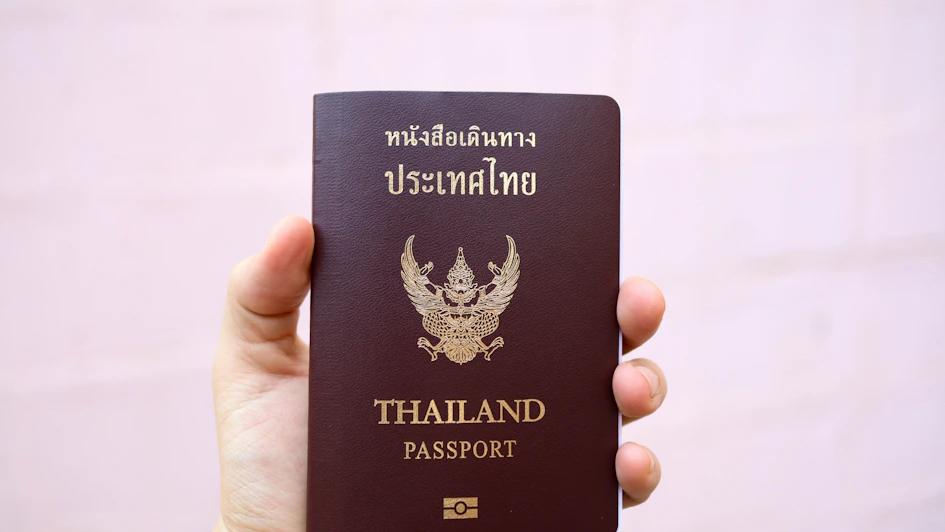
Thailand Multiple Entry Visa: Your Expert Guide

Dreaming of exploring Thailand’s vibrant street food, serene temples, and stunning beaches, perhaps even multiple times in a year? Navigating the Thailand multiple entry visa requirements can seem daunting, but it doesn’t have to be. Many travelers find themselves wanting to revisit this incredible country without the hassle of reapplying for a new visa each time.
This guide is your roadmap. We’ll break down exactly what you need to know, demystifying the process so you can focus on planning your next Thai adventure. Whether you’re a frequent visitor, a digital nomad, or have family ties, understanding these requirements is key to a smooth experience.
Understanding the Different Types of Multiple Entry Visas
Thailand offers various visa options that allow for multiple entries, each with its own purpose and eligibility criteria. It’s crucial to identify which one best suits your travel plans. The landscape of Thai visas has seen recent updates, making it important to stay informed.
The Tourist Visa (TR) with Multiple Entries
Historically, obtaining a multiple-entry tourist visa was a common route for those wishing to spend extended periods in Thailand or visit multiple times within a year. These visas typically allow for longer stays and re-entry, offering significant flexibility.
The 6-Month Tourist Visa (TR) – A Key Development
A significant update came with the introduction of new 6-month visas. These visas began on November 13th, as reported by the Bangkok Post. While they offer a longer validity period, it’s essential to note that they often come with specific limitations on the length of each stay within the six months. This distinction is vital for planning your itinerary.
According to Bangkok Post, these new visas aim to facilitate longer stays but require careful attention to the maximum duration allowed per visit. Understanding these nuances ensures you don’t overstay and comply with immigration rules.
The 60-Day Multiple Entry Tourist Visa
Another important option is the 60-day multiple entry tourist visa. This visa allows you to enter Thailand multiple times, with each stay not exceeding 60 days. This is a popular choice for travelers who plan to visit Thailand for shorter trips spread throughout the validity of the visa.
Key Requirements for Thailand Multiple Entry Visas

While specific documents can vary slightly depending on the visa type and your nationality, several core requirements are common across most multiple-entry applications. Being prepared with these essentials is half the battle.
Valid Passport
Your passport is your most important travel document. For any Thai visa application, you’ll need a passport that is valid for at least six months beyond your intended stay. It should also have at least two blank pages for visa stamps and entry/exit stamps.
Completed Visa Application Form
You’ll need to fill out the official visa application form accurately and completely. Many embassies and consulates now offer online application portals, but some may still require a physical form. Double-check the specific requirements of the Thai embassy or consulate where you’ll be applying.
Passport-Sized Photographs
Recent passport-sized photos are a standard requirement. Usually, two photos are needed, taken within the last six months. Ensure they meet the specific dimensions and background color requirements (often white).
Proof of Sufficient Funds
Immigration authorities want to ensure you can support yourself during your stay. You’ll likely need to provide evidence of financial means. This could include bank statements showing a certain balance (e.g., 20,000 THB for a tourist visa, but requirements can vary for multiple-entry types). For longer stays or specific visa types, this amount may be higher, potentially 40,000 THB or more.
Travel Itinerary and Flight Bookings
While not always mandatory for the initial application, having a clear travel itinerary and confirmed flight bookings (especially for your departure) can strengthen your application. For multiple-entry visas, you might need to show evidence of your planned entries and exits.
Previous Visa History (if applicable)
If you’ve previously held Thai visas, be prepared to provide details or copies of those visas. This helps immigration officers understand your travel patterns to Thailand.
For Specific Visa Types (e.g., Marriage, Retirement, Education)
Beyond tourist visas, other categories might offer multiple-entry options. For instance, a ‘Marriage Visa’ (Non-O) is for spouses of Thai nationals. As highlighted by Thailand Law Online, this requires extensive documentation proving the marital relationship.
Similarly, retirement visas (Non-O) and education visas (Non-ED) often permit multiple entries but have very specific eligibility and documentation requirements related to age, income, and enrollment in educational institutions.
Applying for Your Multiple Entry Visa: Step-by-Step

Applying for a Thailand multiple entry visa typically involves several key steps. Following these carefully increases your chances of a successful application.
Step 1: Determine the Right Visa Type
As we’ve discussed, choose the visa that aligns with your purpose of visit – be it tourism, family, business, or education. The 6-month tourist visa and the 60-day multiple entry tourist visa are common starting points for many travelers.
Step 2: Locate the Correct Embassy or Consulate
Visa applications are usually submitted to the Royal Thai Embassy or Consulate General responsible for your jurisdiction. This is often based on your country of residence, not necessarily your nationality. Check the official website of the Thai Ministry of Foreign Affairs for a list of diplomatic missions.
Step 3: Gather All Required Documents
This is where meticulous preparation pays off. Compile everything needed, ensuring all documents are current, accurate, and meet the specified format (e.g., copies, originals, translations).
Step 4: Complete the Application Form
Fill out the application form online or offline, ensuring all details are correct. Incomplete or inaccurate forms are a common reason for visa rejection.
Step 5: Submit Your Application
Submit your application package in person, by mail, or online, depending on the embassy’s procedures. Some locations may require you to book an appointment in advance.
Step 6: Pay the Visa Fee
Visa fees vary depending on the visa type and your nationality. Be prepared to pay the required fee at the time of application. Keep the receipt as proof of payment.
Step 7: Wait for Processing
Visa processing times can vary significantly. It might take anywhere from a few days to several weeks. It’s advisable to apply well in advance of your planned travel date.
Common Pitfalls and How to Avoid Them
Even with careful planning, travelers can encounter issues. Being aware of common mistakes can help you sidestep them.
- Insufficient Funds: Not having enough money in your bank account to meet the financial requirements is a frequent reason for visa denial. Always check the latest financial thresholds.
- Incomplete Documentation: Missing a single required document, or providing an outdated one, can lead to delays or rejection. Read the checklist twice.
- Incorrect Visa Type: Applying for the wrong visa category means your application will likely be refused. Ensure your chosen visa aligns perfectly with your travel purpose.
- Overstaying: Once you have a visa, it’s crucial to adhere to the permitted length of stay for each entry and the overall visa validity. Overstaying can result in fines and future re-entry bans.
- Not Checking Embassy-Specific Rules: Procedures can differ slightly between Thai embassies and consulates. Always consult the website of the specific mission where you are applying.
Special Considerations for Digital Nomads
Thailand has recognized the growing trend of remote work and introduced options to cater to digital nomads. While not strictly a “multiple entry visa” in the traditional sense, the Thailand Digital Nomad Visa (also known as the Long-Term Resident Visa or LTR Visa) offers extended stay opportunities for qualified individuals. This visa category is designed for professionals and entrepreneurs with substantial income or investment.
According to Nation Thailand, these new visa initiatives aim to attract skilled workers and investors, opening up new possibilities for longer stays under specific conditions. If you’re working remotely, researching the LTR visa and its requirements could be a viable alternative or complement to traditional multi-entry tourist visas.
Frequently Asked Questions About Thailand Multiple Entry Visas
How long is a multiple entry tourist visa valid for?
Validity periods can vary. The standard 60-day tourist visa allows multiple entries within its validity period (often 6 months). The newer 6-month visa, also as reported by Nation Thailand, offers a six-month validity but may limit the duration of each stay. Always check the specific terms of the visa you are granted.
Can I apply for a multiple entry visa from within Thailand?
Generally, you cannot convert a single-entry visa or change your status to a multiple-entry visa while already inside Thailand. Most multiple-entry visa applications must be submitted at a Thai embassy or consulate outside of Thailand. Visa extensions or changes of status within Thailand are possible under specific circumstances, but they usually don’t grant multiple entry privileges directly.
What happens if I overstay my visa?
Overstaying your visa in Thailand is a serious offense. You will face fines, typically 500 THB per day, with a maximum fine of 20,000 THB. More significantly, you may be detained and deported, and face a ban from re-entering Thailand for a period ranging from one year to five years, depending on the length of the overstay. The U.S. Department of State advises U.S. citizens to be aware of and comply with all Thai immigration laws.
Do I need a new visa for each entry with a multiple entry visa?
No, that’s the purpose of a multiple entry visa! It allows you to enter Thailand multiple times within the visa’s validity period, as long as each stay does not exceed the permitted duration (e.g., 30 or 60 days per entry) and the overall visa validity has not expired.
Are there any restrictions on nationalities for multiple entry visas?
While Thailand generally welcomes visitors from most countries, specific visa requirements and availability can sometimes differ based on nationality due to bilateral agreements or immigration policies. It’s always best to check the requirements specific to your country of citizenship with the relevant Thai embassy or consulate.
Final Thoughts on Your Thai Visa Journey
Securing a Thailand multiple entry visa is entirely achievable with the right preparation and understanding. By carefully selecting the appropriate visa type, gathering all necessary documentation, and adhering to the application procedures, you can pave the way for seamless and repeated explorations of the Land of Smiles.
Remember, visa regulations can evolve, so always cross-reference information with the official websites of the Royal Thai Embassy or Consulate in your jurisdiction. Happy travels!