
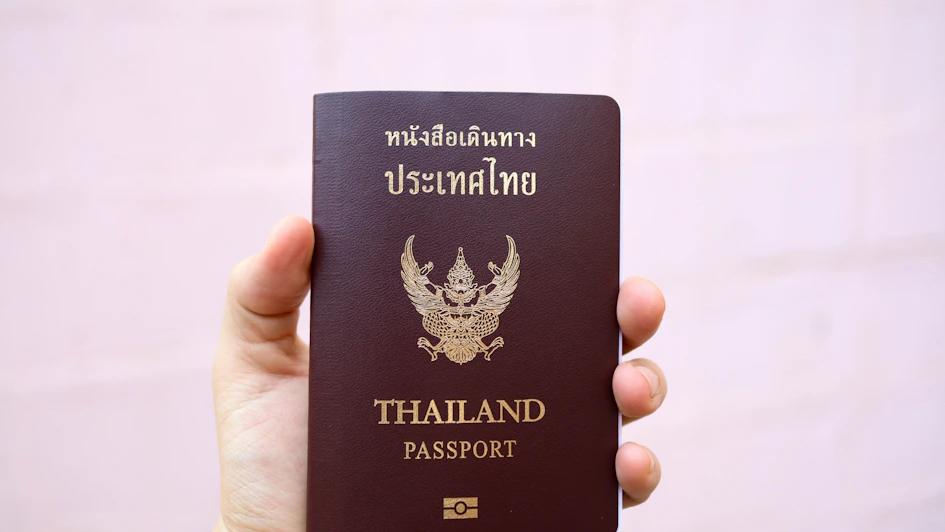
Thailand Visa for Indian Passport: 2025 Comprehensive Guide

Imagine landing in Bangkok, the air thick with the scent of jasmine and street food, knowing your entry was seamless. For years, the process of securing a thailand visa for indian passport holders felt like a hurdle of paperwork and long queues. Today, that landscape has shifted dramatically, making the Land of Smiles more accessible than ever before.
Whether you are dreaming of the turquoise waters of Koh Samui or the bustling night markets of Chiang Mai, understanding the new rules is your first step. Thailand has recently overhauled its entry requirements to boost tourism, specifically targeting Indian travelers with more flexible options. This guide will walk you through every nuance of the current system, ensuring you spend less time at a desk and more time on a beach.
The most significant change in recent months is the move toward a fully digital experience. The Indian Express, one of India’s most trusted news organizations, recently detailed how Thailand introduces e-visa for Indian passport holders from January 2025 to streamline the entry process. This shift means you no longer need to visit a VFS center or embassy in person for most standard tourist visits.
The 60-Day Visa Exemption: A Game Changer
Currently, Indian passport holders enjoy a generous visa exemption policy. You can enter Thailand for tourism or short-term business without a prior visa for up to 60 days. This is a massive leap from the old 15-day Visa on Arrival (VoA) which often felt rushed and restrictive.
To help travelers navigate these changes, The Indian Express published a deep dive explaining all you need to know about Thailand e-Visa for Indians and how the exemption interacts with the new digital portal. Even with an exemption, having your documents ready is vital for a smooth immigration check.
When preparing your paperwork, precision is your best friend. The Royal Thai Consulate-General in Kolkata provides a detailed breakdown of document specifications, including photo dimensions and financial proof, in their e-Visa Information and Guidelines. Following these official standards is the surest way to avoid a rejection at the border.
Understanding the New e-Visa System
The e-visa system is designed to replace the traditional sticker visa for those who need to stay longer than the exemption period or have specific travel needs. It is an online-only process where you upload your documents, pay the fee, and receive an electronic visa via email.
One of the biggest advantages of the e-visa is the peace of mind it provides. Unlike the Visa on Arrival, where you might face long lines at the airport, the e-visa is processed before you leave home. You simply print the confirmation and present it to the immigration officer upon arrival.
Step-by-Step Application Process
First, visit the official Thai e-visa portal. You will need to create an account and select the type of visa you are applying for. For most, this will be the ‘Tourist Visa’.
Next, fill in your personal details exactly as they appear on your passport. A common mistake is a slight misspelling of the name or an incorrect passport number, which can lead to immediate denial.
Upload your supporting documents. This typically includes a scanned copy of your passport bio-page, a recent photograph meeting consulate standards, and proof of travel, such as a round-trip flight ticket.
Financial Requirements and Proof
Thailand requires visitors to prove they have sufficient funds for their stay. For an individual, this usually means showing a balance of at least 10,000 Thai Baht (roughly 25,000 INR). For families, the requirement is 20,000 Thai Baht.
You should keep a digital or printed copy of your recent bank statement. While immigration officers do not always ask for this, they have the right to request it. Being prepared prevents unnecessary stress during your holiday.
Accommodation and Flight Details
You must provide proof of accommodation for your first few nights in Thailand. This can be a hotel booking confirmation or an invitation letter if you are staying with friends or family.
Your flight itinerary must show a confirmed return or onward journey. Thailand is strict about ensuring visitors do not overstay their permitted time. If you plan to travel to Cambodia or Laos afterward, ensure you have those tickets booked and ready to show.
Long-Term Resident (LTR) Options
If you are a high-net-worth individual, a remote worker, or a retiree, the standard tourist visa might not be enough. Thailand has introduced the Long-Term Resident program to attract global talent and investors.
The Thailand Board of Investment manages the LTR Visa Thailand - Long Term Resident Program, which offers a 10-year residency with multiple entries and tax benefits. This is an excellent option for Indian professionals looking to make Thailand a second home.
Visa on Arrival (VoA): Is it Still Relevant?
With the 60-day exemption currently in place, the traditional Visa on Arrival is less common for Indian tourists. However, policies in Thailand can change based on government directives.
It is always wise to check the latest status before flying. The Ministry of External Affairs in India maintains a list of Thailand visa exemption status and reciprocal arrangements that can serve as a quick reference for travelers.
Common Mistakes to Avoid
One of the most frequent errors is using a passport with less than six months of validity. Thai immigration is very strict about this rule. If your passport expires in five months, you will likely be denied boarding at the airport in India.
Another mistake is providing a photograph that does not meet the specific white-background requirements. Selfies or cropped photos from weddings will not work. Spend the extra few rupees at a professional studio to get it right.
Do not forget travel insurance. While not always a mandatory requirement for the visa itself, Thailand’s medical costs for tourists can be high. Having a policy that covers COVID-19 and general emergencies is a smart move for any traveler.
Navigating the Airport on Arrival
When you land at Suvarnabhumi (BKK) or Don Mueang (DMK), follow the signs for ‘Immigration’. If you are using the visa exemption, you can head straight to the passport control counters.
Have your boarding pass and return ticket handy. The officer might ask how long you intend to stay and where you are staying. Answer clearly and confidently. Once they stamp your passport, check the date they have written—this is your permitted stay limit.
Extending Your Stay in Thailand
If you fall in love with the country and want to stay longer than 60 days, you can apply for an extension. This is done at any local Immigration Office within Thailand.
The standard extension is usually for an additional 30 days. You will need to fill out form TM.7, provide a passport photo, and pay a fee of 1,900 Thai Baht. It is a straightforward process that allows you to enjoy the islands for just a little bit longer.
Cultural Etiquette for Travelers
While your visa gets you through the door, respecting Thai culture ensures a warm welcome. Always dress modestly when visiting temples, covering your shoulders and knees.
The Royal Family is deeply revered in Thailand. Never make disparaging remarks or mishandle currency (which bears the King’s image). These are not just social faux pas; they can have legal consequences.
Staying Connected and Mobile
Upon clearing immigration, grab a local SIM card. AIS, TrueMove, and DTAC offer excellent tourist packages. Having data allows you to use ride-hailing apps like Grab, which is much cheaper and safer than haggling with local taxis.
Download a translation app as well. While English is widely spoken in tourist hubs, a few words of Thai like ‘Sawadee Khrap’ (Hello) or ‘Khop Khun Khrap’ (Thank you) go a long way in building rapport with locals.
Essential Checklist for Indian Travelers
- Passport with at least 6 months validity and 2 blank pages.
- Confirmed return or onward flight tickets.
- Proof of accommodation (Hotel booking).
- Recent bank statement showing sufficient funds.
- Two passport-sized photos (4x6 cm) with a white background.
- Printed copy of your e-visa (if applicable).
- Travel insurance policy documents.
Frequently Asked Questions
Can I work in Thailand on a tourist visa?
No, you cannot legally work on a tourist visa or a visa exemption. Doing so can lead to fines, deportation, and a ban from re-entering the country. If you wish to work, you must apply for a Non-Immigrant B visa and a work permit.
Is the Thailand visa free for Indians right now?
As of early 2025, the 60-day visa exemption allows Indian passport holders to enter without paying a visa fee at the border. However, if you apply for a specific e-visa type through the portal, there may be processing fees involved.
How long does the e-visa take to process?
Typically, the e-visa processing time is between 5 to 10 working days. It is highly recommended to apply at least three weeks before your intended travel date to account for any public holidays or additional document requests.
Can I enter Thailand by land from neighboring countries?
Yes, Indian passport holders can enter via land borders from countries like Malaysia, Laos, or Cambodia. However, the 60-day exemption still applies, and you must ensure the specific border checkpoint is authorized to process international travelers.
What should I do if my visa application is rejected?
If your e-visa is rejected, the embassy usually provides a reason, such as ‘unclear documents’ or ‘insufficient funds’. You can re-apply once you have corrected the errors, but you will have to pay the application fee again.
Final Thoughts on Your Thai Adventure
Securing a thailand visa for indian passport holders has never been more straightforward. The transition to digital systems and the generous 60-day exemption reflect Thailand’s commitment to welcoming Indian tourists with open arms.
By staying informed about the latest e-visa updates and keeping your documentation organized, you remove the stress from the planning phase. Thailand offers a unique blend of serenity and excitement that stays with you long after you return home. Pack your bags, double-check your passport, and get ready to experience the vibrant culture and breathtaking landscapes of this Southeast Asian gem.